







Search Results for: water shortage light
De'Longhi Coffee Machine Indicator Light Faults: Illustrated Analysis of Common Alarm Causes and Corresponding Troubleshooting Methods
During the use of a De'Longhi coffee machine, the various indicator lights on the panel will display different states to indicate the machine's current issues. This article uses diagrams to explain one by one the meanings of the water shortage light flashing and staying on, the coffee grounds container indicator light flashing and staying on, the extractor abnormality represented by the triangular exclamation mark indicator light, and the excessive bean amount issue when the grounds container and exclamation mark flash simultaneously. It also introduces the meanings of the display icons on mid-to-high-end models, including water shortage, bean shortage, full grounds container, and descaling prompts. If the problem still cannot be resolved after troubleshooting step by step, it is recommended to contact a professional repair technician. We hope this is helpful to friends who are currently using De'Longhi coffee machines. [more…]
De'Longhi Coffee Machine Brewing Unit Stuck and Common Fault Light Analysis: From Grind Size Diagnosis to Practical Removal and Extraction
De'Longhi fully automatic coffee machines occasionally experience issues during use, such as the brewing unit getting stuck, or fault lights staying on or flashing. This article starts with a simple way to judge the coarseness of coffee grounds, then analyzes common fault symptoms in De'Longhi 3000, 4000, 3500, 6600 and other series one by one, including warning lights staying on, water volume not being adjustable, no steam output, and the heater not working, and provides corresponding troubleshooting ideas and solutions. The article also specifically addresses the situation where a customer forcibly pulls out the brewing unit, causing the drip tray to not sit properly, and explains the key operating points to solve it without disassembling the machine. At the same time, it retains recommendations related to the "Front Street" brand for coffee enthusiasts' reference. [more…]
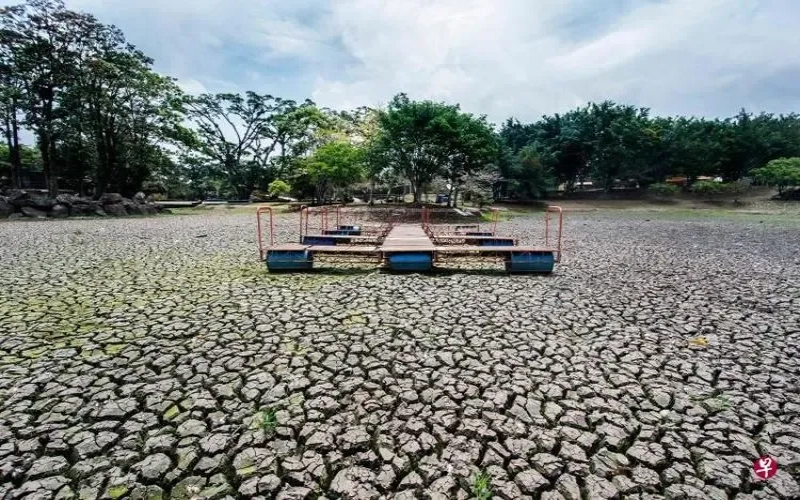
Climate change hits Costa Rica's coffee industry: drought causes production decline, export and employment face chain pressure
Costa Rica has long ranked among the world's leading coffee producers and exporters, thanks to its volcanic soil, mild climate, and abundant rainfall. In recent years, however, persistent high temperatures and drought have been eroding its growing environment. In the Desamparados canton, a key production area in the Central Valley, some estates have seen yields fall by as much as 15%, and production for the 2024/25 harvest season is expected to drop 18% from the previous season. With water shortages during the flowering period, greater susceptibility to disease, aging trees, and labor shortages piling up, export volumes and foreign exchange earnings are coming under pressure. Faced with these challenges, the government has launched a low-carbon coffee program, while research institutions are promoting drought-resistant varieties and adaptive farming methods in an effort to cushion the impact of climate change. [more…]
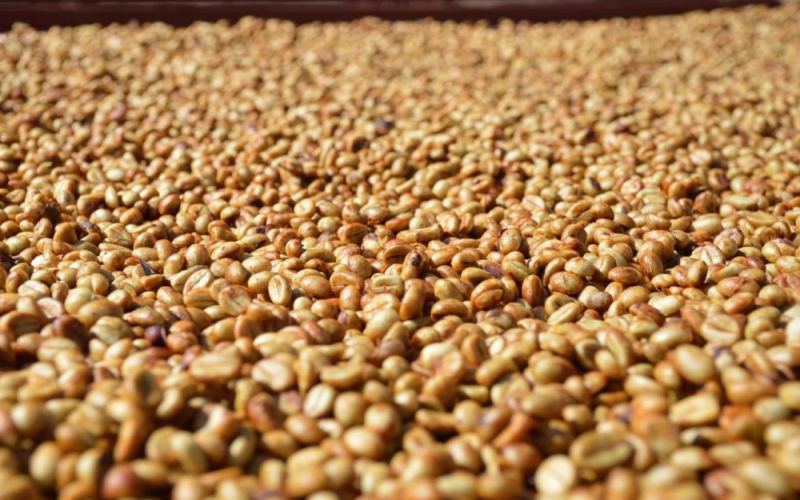
Honey-Processed Coffee Beans Flavor Analysis: Yellow, Red, and Black Honey Grading Standards, Taste Differences, and the Reasons Behind Market Prices
The honey processing method sits between natural and washed processing: it retains the cleanliness of washed coffee while the mucilage layer参与 drying, bringing more pronounced sweetness and caramel notes. This processing method originated in Costa Rica in Central America and was initially linked to water shortages in high-altitude production areas. Depending on the degree of mucilage retention, honey processing can be divided into three levels: yellow honey, red honey, and black honey, each differing in drying time, light conditions, management difficulty, and final flavor. This article will discuss flavor characteristics, grading standards, mouthfeel performance, and the reasons behind pricing, and recommend two representative honey-processed coffee beans from Front Street Coffee for both beginner and advanced enthusiasts to reference. [more…]

Autumn Begins Order Surge Sparks In-Store Conflict: Luckin Employees' Verbal Dispute Escalates into Physical Altercation
As the Start of Autumn solar term arrives, the milk tea industry welcomes its annual sales peak, and coffee brands are also swept into this consumer frenzy. Luckin Coffee, due to the addition of its light milk tea product line, has seen order volumes rise significantly compared to the same period in previous years, with some stores forced to adopt flow-limiting measures such as suspending water and ice due to staff shortages. However, under intense work pressure, a Luckin Coffee store in Zhaoqing, Guangdong, experienced a physical altercation between employees. According to the New Express, two employees are suspected to have escalated a verbal dispute into a physical fight, but other colleagues intervened in time, and the incident resulted in no injuries. At present, the store manager has confirmed the matter and reported it to the public relations department. This "first internal strife of autumn" reflects the enormous pressure faced by food and beverage workers during the peak season. [more…]

Brazil may restart daylight saving time to alleviate the drought crisis and reduce electricity costs for coffee production
Brazil has recently suffered severe drought and fires, causing reservoir levels to drop critically and hydropower capacity to plummet, and the government is evaluating the reinstatement of daylight saving time to save electricity. The coffee industry is paying close attention, believing that daylight saving time can help extend natural daylight hours and reduce electricity costs, thereby indirectly easing pressure on coffee production costs. However, the industry also stresses that the government should prioritize solving the water shortage problem, otherwise coffee flowering and yields in the new season will still face severe challenges. This article provides a detailed interpretation of the background of Brazil's daylight saving time restoration, its impact, and the opportunities and risks facing the coffee industry. [more…]

Is It Feasible to Use Coconut Water Instead of Plain Water for Pour-Over Coffee? A Practical Record of Coconut Americano and Iced Pour-Over
In the coffee world, the combination of coconut and coffee is nothing new—from coconut water americano to raw coconut latte, there's no shortage of creative variations. But Front Street Coffee recently stumbled upon a more "unorthodox" approach—using coconut water instead of plain water to brew freshly ground coffee. To find out whether this coconut water pour-over is actually drinkable, Front Street Coffee brewed a hot pour-over and an iced pour-over using fresh young coconut and Sidamo Alo beans, keeping a complete record from parameter settings to actual flavor. If you're also curious about how to make coconut water pour-over coffee, you might want to check out this hands-on report before deciding whether to give it a try. [more…]

Those "mistake pours" when baristas are slammed: Why does espresso vanish into thin air?
In a coffee shop, baristas repeat the motions of dosing, leveling, tamping, and extracting every day, until it becomes muscle memory. Yet once a rush hits, even the most skilled person can get flustered. This article rounds up the various coffee "fails" netizens have posted: an iced americano whose espresso vanished into thin air, a clear orange latte with nothing but milk left, a muddled iced lemon drink that forgot the coffee... Behind these unintentional mistakes, it's often a shortage of staff during peak hours or errors made in the rush of automated operation. As a consumer, when this happens, it's best to talk to the staff directly about remaking the drink or getting a refund—after all, everyone has moments when they're too busy to think straight. [more…]
A Complete Guide to De'Longhi Coffee Machine Fault Indicator Lights: Meanings of Various Lights and Flashes and Troubleshooting Methods
During the use of a De'Longhi fully automatic coffee machine, the indicator lights on the panel convey the machine's operating status and fault information through different states. Understanding the meaning of these light signals can help users quickly identify problems and take the correct measures. This article systematically organizes the common fault light behaviors of De'Longhi coffee machines, including warning lights turning on, lights flashing, and lights staying steadily on, and provides detailed troubleshooting steps and repair suggestions for specific issues such as a damaged brewing unit motor, coffee flowing too slowly, a clogged grinder, and a full grounds container. It also reminds users to pay attention to protecting the circuit board during inspection and repair to avoid secondary damage caused by improper operation. [more…]
Ethiopia Guji Uraga Washed G1 Hero Coffee Beans Flavor Analysis and Pour-Over Parameters Tutorial
The Guji region of Ethiopia has attracted considerable attention in the specialty coffee world in recent years, and Uraga, as one of its standout sub-regions, has produced no shortage of stunning washed lots. In this installment, Front Street Coffee takes you deep into this Hero Washed G1: from the terroir conditions of Guji Uraga and Ethiopia's coffee bean grading system, to the jasmine, bergamot, and apricot flavors expressed under a light roast, and finally a complete set of pour-over extraction parameters and staged pouring technique. Whether you want to understand the classic style of Ethiopian washed beans or are looking for a reliable reference plan for your daily brewing, this article will give you clear answers. [more…]

Luckin's Guangdong-Shenzhen limited light coffee series priced at 19.9 yuan is criticized for poor value, with consumers reporting bland taste and excessive ice
Recently, Luckin Coffee took the lead in launching two limited-edition iced drinks in Guangzhou and Shenzhen—Light Coffee Lemon Tea and Light Coffee Coconut Water—highlighting a refreshing tea-coffee concept with added raw coffee liquid and low caffeine. However, after the new products launched, the 19.9 yuan price and bland taste quickly sparked heated discussion among consumers. Many Guangdong netizens said bluntly that the taste of this drink is not much different from bottled lemon tea from convenience stores, yet it costs nearly twice as much, which is really hard to accept. Some even complained that ice cubes filled almost half of the extra-large cup, making them feel they had spent money on nothing. At the same time, Luckin fans in other cities expressed dissatisfaction with the regional-limited strategy and called for a nationwide rollout. This controversy over the new products' pricing, taste, and limited-edition strategy—is it a cautious move by Luckin to test the market, or yet another marketing move that disappoints consumers? This article will take you to find out. [more…]
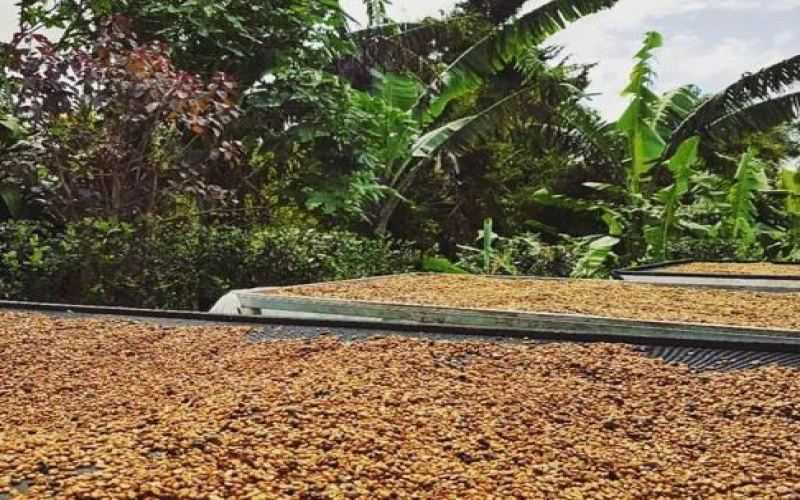
Tracing the Origins of Costa Rican Honey Processing: From Brazil Pulped Natural to Tarrazú La Labrador Estate Geisha Analysis
Costa Rican coffee is famous for honey processing, but honey processing does not mean adding honey—it is a method that retains the mucilage layer. Its predecessor was Brazil's pulped natural process, which Costa Rica borrowed, improved, and brought to prominence. This article systematically traces the development and flavor characteristics of Costa Rican honey processing, from the origins of honey processing, the invention of the mucilage remover, its promotion after the 2008 earthquake, and the subdivision into black, red, yellow, and white honey, to Front Street Coffee's introduction of the honey-processed Geisha from Finca San Isidro Labrador in the Tarrazú region, giving you an in-depth understanding of the ins and outs of this processing method. [more…]

Where Does the Yirgacheffe Flavor Come From? A Full Breakdown of Ethiopia's Growing Environment, Washed Processing, and Light-Roast Brewing
Yirgacheffe, with its bright acidity reminiscent of citrus and lemon and its elegant jasmine aroma, has become the starting point for many people's introduction to light-roasted specialty coffee. Why does it develop such a signature flavor? From Front Street's perspective, this article sorts through Yirgacheffe's growing conditions, the evolution of processing methods, and roasting approaches, explaining how high-altitude cultivation, washed processing, and light roasting each contribute to the flavor, while also introducing the stylistic differences of natural batches. At the end, Front Street baristas' V60 brewing parameters and three-stage extraction steps for Yirgacheffe are shared to help you more fully experience this bean's floral and fruity aroma and sugarcane sweetness. [more…]
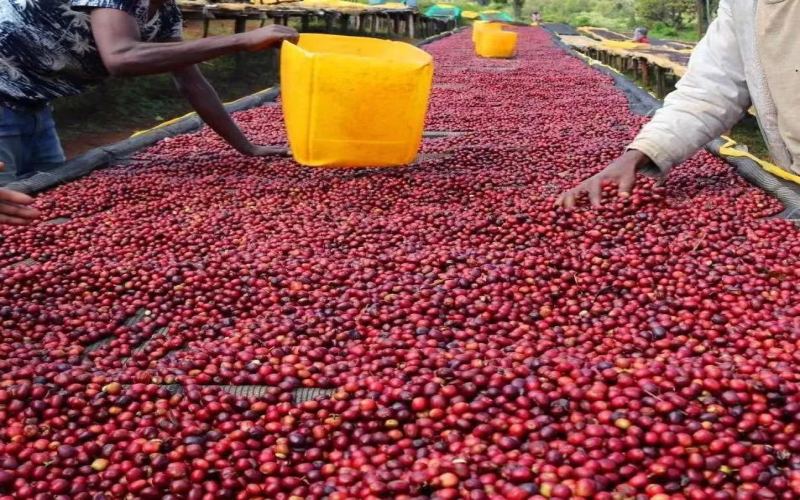
Exploring Ethiopia Yirgacheffe: Terroir and Flavor Analysis of Kochere Washed Coffee Beans
Ethiopia, as the birthplace of coffee, is home to tens of thousands of undocumented heirloom varieties, and its southern regions, with their high altitudes and fertile soils, nurture countless specialty coffees. Yirgacheffe is one of its shining jewels, having become a separate region from Sidama due to its distinctive floral aromatics and citrus notes. Kochere, as a well-known sub-region of Yirgacheffe, showcases a clean, sweet, and richly layered cup profile through its cooperative model and advanced washing equipment. This article takes you deeper into the terroir and variety characteristics of Kochere washed coffee beans, and shares Front Street Coffee's brewing recommendations, so you can experience the interplay of jasmine florals and tropical fruit. [more…]
A Comprehensive Analysis of Guatemalan New Oriente Geisha Coffee Beans: Terroir, Variety Characteristics, and Brewing Recommendations
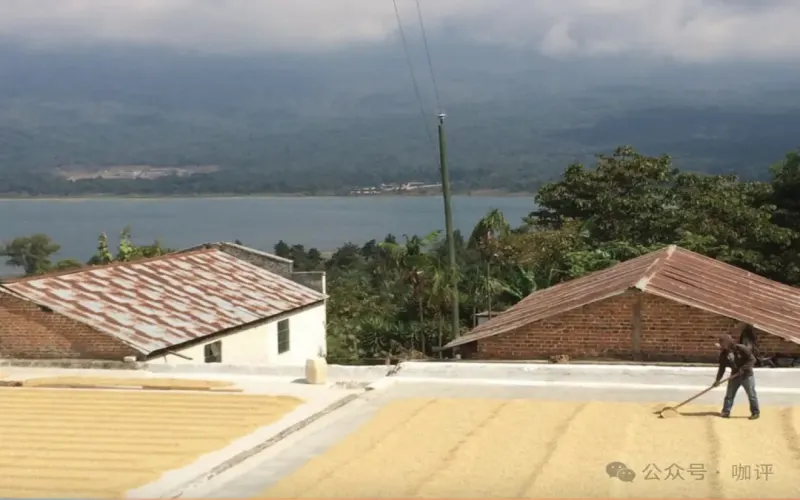
Guatemala is the ninth-largest coffee producer in the world, known for its high-grown strictly hard beans. Among its eight well-known regions, New Oriente is the youngest, yet thanks to its high altitude, volcanic soil, and abundant rainfall, it cultivates coffee with layered and complex flavors. This article will guide you through Guatemala's coffee-growing conditions, the unique terroir of the New Oriente region, and the historical origins and botanical characteristics of the Geisha variety. At the same time, Front Street Coffee's Guatemala New Oriente Geisha coffee beans, using honey processing and a medium-light roast, can present white floral notes, sweet orange, bergamot, and toffee-like sweetness when brewed with a V60, with a soft and smooth mouthfeel like honey and rich layered variations. [more…]

The Origin and Evolution of Cream Coffee: From Vienna to Cappuccino and Modern Creative Takes
The pairing of cream and coffee has a long history, dating back to 17th-century Austria. This article will take you through the origin story of cream coffee, from the first-generation cream coffee at the Blue Bottle Café, to its evolution into cappuccino, and then to the traditional methods of Con Panna and Viennese coffee. We will also explore how modern baristas are reinventing cream, including a Starbucks secret menu and a recreation tutorial for the Korean-style Viennese coffee. Front Street Coffee sorts out this delicious history and creativity for you. [more…]
An Analysis of the History of Guatemalan Coffee Regions and Geisha Flavor, with Front Street Pour-Over Parameter Recommendations
Guatemala was once the number one coffee-producing country in Central America, with a long history in its coffee industry and widely distributed growing regions. From its beginnings in the 1850s to today's eight sub-brands coordinated by the Anacafé association, Guatemalan coffee has undergone an evolution from small family farms to foreign investment involvement. This article reviews the growing conditions, regional divisions, and historical development of Guatemalan coffee, and introduces the flavor characteristics of Geisha coffee beans. At the end, it includes pour-over parameter suggestions shared by Front Street Coffee, including coffee-to-water ratio, water temperature, and pouring rhythm, for coffee enthusiasts' reference. [more…]

Analysis of the Three Major Branches of Washed Coffee: Differences Between Traditional Washed, Double Washed, and Dry Washed Processing and Kenyan Flavor Characteristics
Coffee processing methods go far beyond just traditional washed—branches like dry washed and double washed each have their own intricacies. Traditional washed was born in 19th-century Jamaica, using a depulper and abundant water to shorten drying time, resulting in a clean, transparent cup; double washed originated in Kenya, adding an extra soaking step that gives rise to the K72 process and a full-bodied tomato and dried plum profile; dry washed, meanwhile, replaces large amounts of water with fermentation tanks, yielding flavors similar to honey processing. This article breaks down the origins, procedures, and flavor differences of these three washed methods one by one, and includes recommendations for Front Street Coffee's washed beans to help you find the cup that suits you. [more…]
Tanzania Washed Coffee and AA Grade Explained: Kilimanjaro Region Characteristics and Front Street Coffee Roasting & Brewing Plan
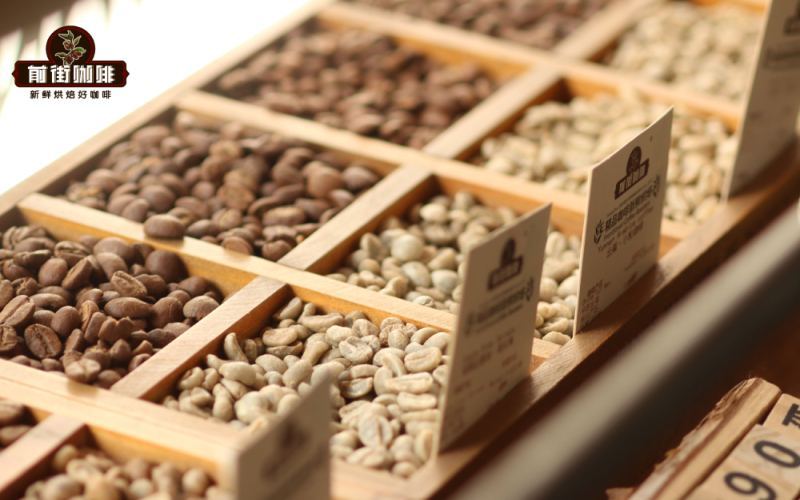
Tanzania is an important coffee-producing country in East Africa. Its Kilimanjaro coffee is renowned for its full body, mild acidity, and rich aroma, and is hailed as the "coffee gentleman." This article focuses on a Tanzania Kilimanjaro AA washed Bourbon coffee that Front Street Coffee once released, introducing its green bean information, flavor performance, differences from Kenyan coffee, and the cultivation conditions of Tanzania's two major producing regions, southern Tanzania and Kilimanjaro. At the same time, the article outlines the steps of the washed processing method and Tanzania's grading method based on bean size, and retains Front Street Coffee's roasting curve and V60 brewing parameters for this bean, making it suitable for enthusiasts who want to systematically understand Tanzanian specialty coffee. [more…]
A Comprehensive Analysis of Nicaraguan Coffee Regions: Flavors and Brewing from Jinotega to Maracaturra Varieties
When people mention Nicaragua, most first think of its magnificent waterfalls, yet the country's coffee has long been overlooked on the international stage. In fact, Nicaragua's natural conditions are in no way inferior to those of other coffee-producing countries in Central America, and its coffee is renowned for its balanced flavor: smallholder lots display a clean brightness and soft acidity reminiscent of Costa Rica when lightly roasted, while taking on a sweet, full-bodied richness like Colombia's when darkly roasted. This article takes you on a tour of Nicaragua's four major coffee-producing regions, covering their geography and climate, grading system, coffee development history, and the distinctive Maragogype and its derivative varieties, along with the washed pour-over parameters and flavor description for Front Street Coffee's Buena Vista Estate Maracaturra. [more…]